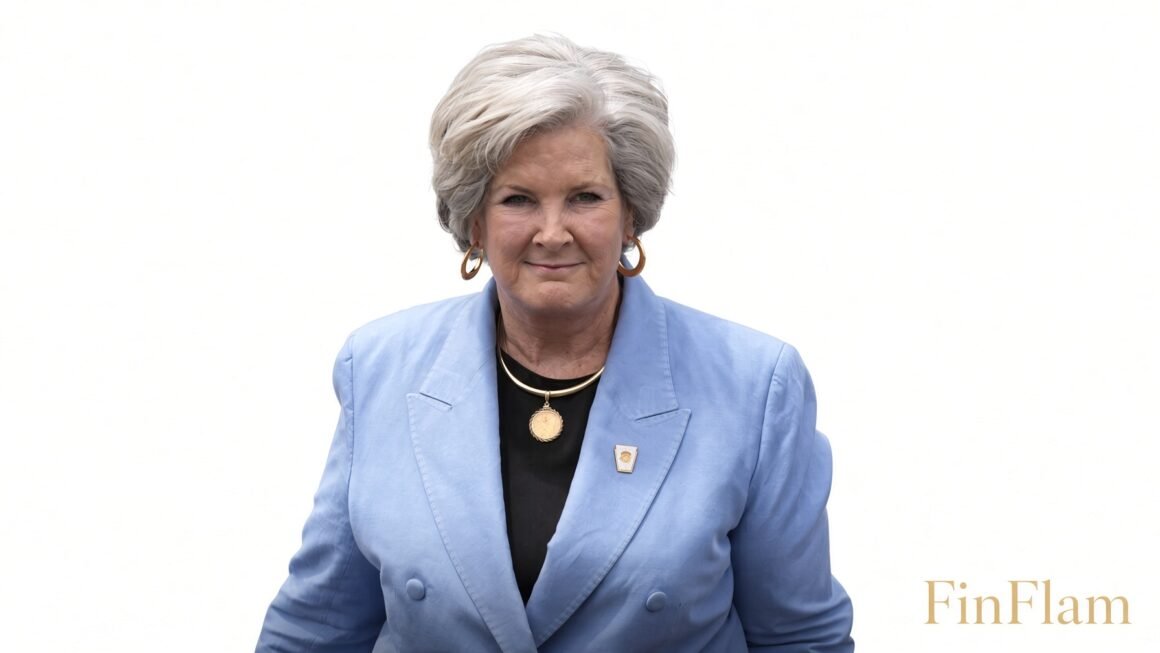
Susie Wiles’s 2024 Campaign Strategy: Analysis
Susie Wiles served as co-campaign manager (with Chris LaCivita) for Donald Trump’s 2024 presidential campaign. She later became White House chief of staff before being replaced by Stephen Miller after the 2026 midterms. Her approach is widely credited with producing Trump’s most disciplined and operationally effective national campaign.
Core Elements of the Strategy
- Discipline and structure: Wiles ran a lean, low-drama operation that reduced the leaks and internal chaos common in earlier Trump campaigns. Staff stayed in lanes, messaging was tighter, and the campaign functioned more like a conventional professional effort while still accommodating Trump’s style. She acted as a gatekeeper (including on campaign travel) and limited access for fringe figures when it risked message discipline.
- Early and mail voting pivot: She persuaded Trump to encourage Republicans to vote early and by mail. Previously skeptical of these methods, Trump’s shift allowed the campaign to compete within existing election rules and expand turnout rather than ceding ground.
- Targeting and expansion: Working with strategists like James Blair, the campaign used data-driven targeting to reach voters in communities that had not been traditional Republican strongholds, including efforts to expand support among nonwhite voters. This built on Wiles’s earlier success in Florida, where she helped make the state reliably Republican by winning broader demographic groups. The model was scaled to battleground states.
- Primary neutralization: Her prior work with Ron DeSantis gave the Trump campaign detailed knowledge of his weaknesses. They defined and attacked him early, securing key Florida Republican endorsements before he formally launched and sidelining him as a serious threat.
- Indictment-as-asset approach: The campaign treated Trump’s legal cases as a political strength rather than a liability, framing them as evidence of opposition overreach and using them to drive fundraising, base turnout, and narrative contrast.
- Operationalizing momentum: Allies described her as skilled at converting Trump’s personal energy and media presence into concrete campaign advantages—endorsements, state-party rule changes favorable to Trump, packed events, and consistent messaging.
Results and Strengths
The 2024 operation was tighter, better coordinated, and more professional than Trump’s prior runs. It secured the nomination relatively cleanly, expanded the electoral map in key ways, and delivered the general-election win. Wiles’s low-profile style (preferring to stay out of the spotlight) helped stabilize the operation without competing with Trump for attention.
Limitations and Later Context
The same disciplined, institutional approach that worked in a presidential campaign faced different pressures once in the White House. Midterm elections are historically difficult for the party in power; Republicans lost control of both chambers in 2026. Trump publicly expressed frustration with the results and the strategy used, leading to Wiles’s resignation and Miller’s elevation. Miller’s style is more aligned with aggressive immigration enforcement and direct confrontation; Wiles was viewed by some as a stabilizing or moderating influence inside the building. Personnel changes after midterms are common when results disappoint the principal.
In short, Wiles’s strategy prioritized professional execution, data-driven targeting, early-vote participation, and message discipline around Trump’s core strengths. It succeeded in electing him in 2024. The midterm outcome and subsequent staff change reflect the difference between winning a presidential race and governing through a midterm cycle under high expectations.

Big John
I have an Associates & Bachelors Degree in Criminology with a minor in Political Science. I've been blogging since around 2017, my work has been viewed by 800,000 people, and I am a registered Libertarian. My work has been talked about on many of the largest news outlets in the world from Reuters, USA Today, Politifact, CheckYourFact.com, The Quint and many other outlets.


You May Also Like

Trump vs. Ann Coulter Heats?Up & More

House Panel Directs Subpoenas for Bill and Hillary Clinton in Jeffrey Epstein Probe
