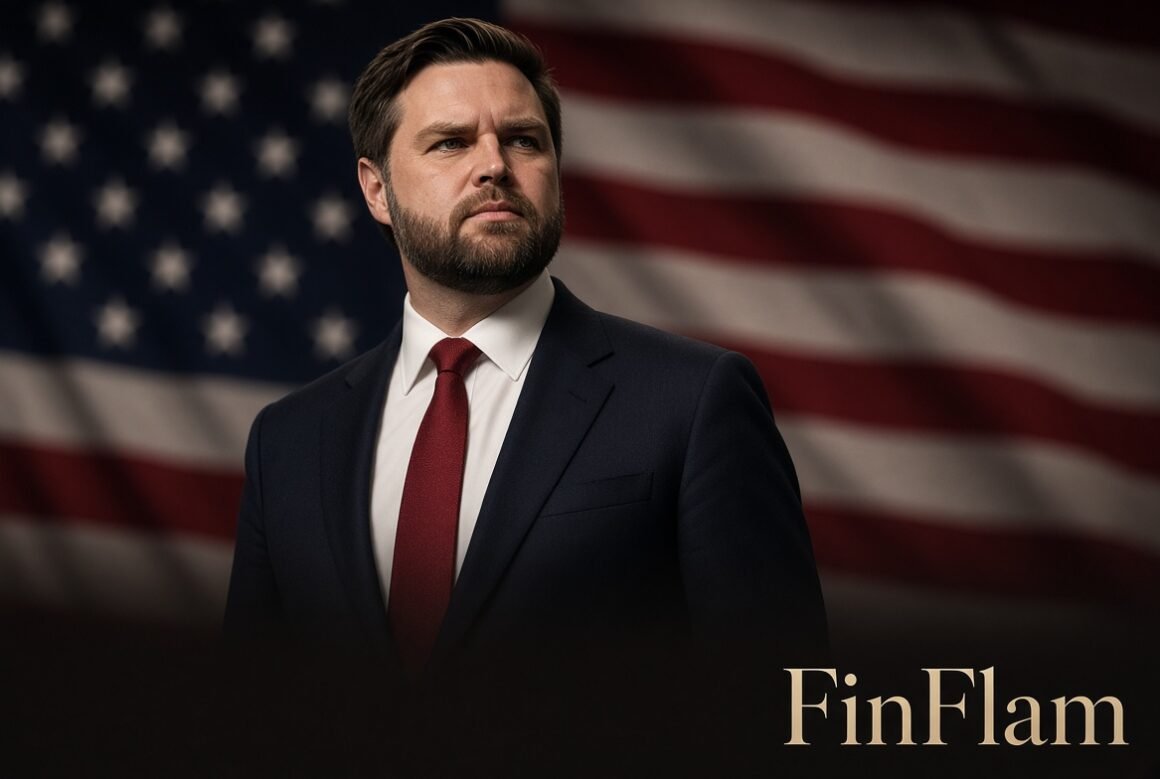
JD Vance Is Wrestling With 2028 — And the Party Needs Him to Get This Right
Vice President JD Vance was supposed to be the clean handoff. The guy who could take the America First coalition that delivered 2024 and keep it moving once Trump leaves the stage. After last week’s midterms, that assumption is under real pressure.
Republicans got crushed. Democrats took the House and the Senate, flipped multiple Republican Senate seats (including Vance’s old seat in Ohio), and won governorships in places that were not supposed to be in play. The common thread across the exit polls and the post-election analysis is simple: the Iran war and the cost of living. Voters who backed Trump in 2024 turned out and voted for Democrats in 2026. Vance said it plainly the morning after: “The reason we lost is the war.”
That post was honest. It was also politically risky. Some inside the White House and among traditional donors did not appreciate the vice president putting the war at the center of the autopsy. Trump has not publicly endorsed a successor, and he has already said “maybe he won’t run” when asked about Vance in 2028.
According to allies who spoke to CNN and others, Vance is seriously weighing whether to sit this one out. He is 42. He has a young family that grew to four kids this year. He sees a fractured MAGA coalition, an unpopular war that still has no clear end state, and a political environment where almost anyone tied to the current administration starts with a heavy burden. One ally put it bluntly: “If they don’t end the war in Iran, no Republican has a shot at 2028.”
That is the correct diagnosis. An endless or poorly defined foreign commitment that drives up energy costs and pulls money and attention away from the border, crime, and the domestic economy is not America First. It is the opposite. Voters noticed.
What it means if Vance steps aside
Vance still leads the early Republican primary polling (roughly 37 percent in recent averages, ahead of Marco Rubio in the mid-to-high 20s and DeSantis further back). He has the donor relationships from his time as RNC finance chair and the name recognition that comes with the vice presidency. But the midterms blew the field open. Ron DeSantis, Ted Cruz, and others are already moving. Some on Capitol Hill are talking up Rubio as a more unifying, less “Trump-adjacent” figure. Rubio has said he would support Vance if he runs, but the encouragement from others is real.
If Vance sits out, the party risks a replay of the pre-Trump years: a contest between people who are better at managing the existing system than replacing it. DeSantis proved he can run a competent state. Cruz is a fighter. Neither of them built or sustained the working-class, non-college, and younger-male coalition that actually won in 2024. Rubio has foreign policy experience and a polished style, but he is closer to the traditional Republican approach that voters rejected before Trump and that is now being rejected again after the war and the inflation hangover.
The practical question is not who has the best résumé. It is who can repair the coalition that just showed up and voted against the party. That requires ending the war on terms that do not leave American forces or resources stuck in an open-ended commitment, getting costs under control, and focusing on the border and domestic priorities. Vance is the one currently in the administration who has been most willing to say the war is the problem. That matters.
When he should come back — and why he still has time
Vance is young enough that 2028 is not his only window. Sitting out one cycle is not political death at 42. If the next two years produce a clear end to the Iran conflict, a measurable drop in the cost of living, and a Democratic Congress that overreaches the way they usually do, the environment in 2032 looks very different. A younger Vance who spent the intervening years building outside the administration (or even inside it if Trump remains popular) would still be in his mid-40s with a record of having been right about the war when it mattered.
The risk of sitting out is real. Primaries reward momentum and money. A wide-open field can elevate someone who talks a good game but has never had to hold the coalition together under pressure. The risk of running into a still-toxic environment is also real. Losing the nomination or the general as the sitting vice president would set him back further than waiting one cycle.
The bottom line is straightforward. The midterms were a rejection of results, not of the core America First priorities that won in 2024. Endless war, higher costs, and a distracted administration cost the party the House, the Senate, and several governorships. Vance correctly identified the main driver. Whether he runs in 2028 or waits, the party needs someone who will finish the job on the war, prioritize the domestic agenda, and rebuild the coalition that actually delivers wins. If that person is still Vance in four years, he will have time. If the party chooses someone who treats the war as a feature instead of a problem, 2028 will be another lost opportunity.

Big John
I have an Associates & Bachelors Degree in Criminology with a minor in Political Science. I've been blogging since around 2017, my work has been viewed by 800,000 people, and I am a registered Libertarian. My work has been talked about on many of the largest news outlets in the world from Reuters, USA Today, Politifact, CheckYourFact.com, The Quint and many other outlets.


You May Also Like

Alex Smith Will Play for the Denver Broncos or Chicago Bears in 2020

New Mexico Gets Rid Of Columbus Day?
