Iran War, Hormuz Mines, and the Barron Trump Bounty Video Explained
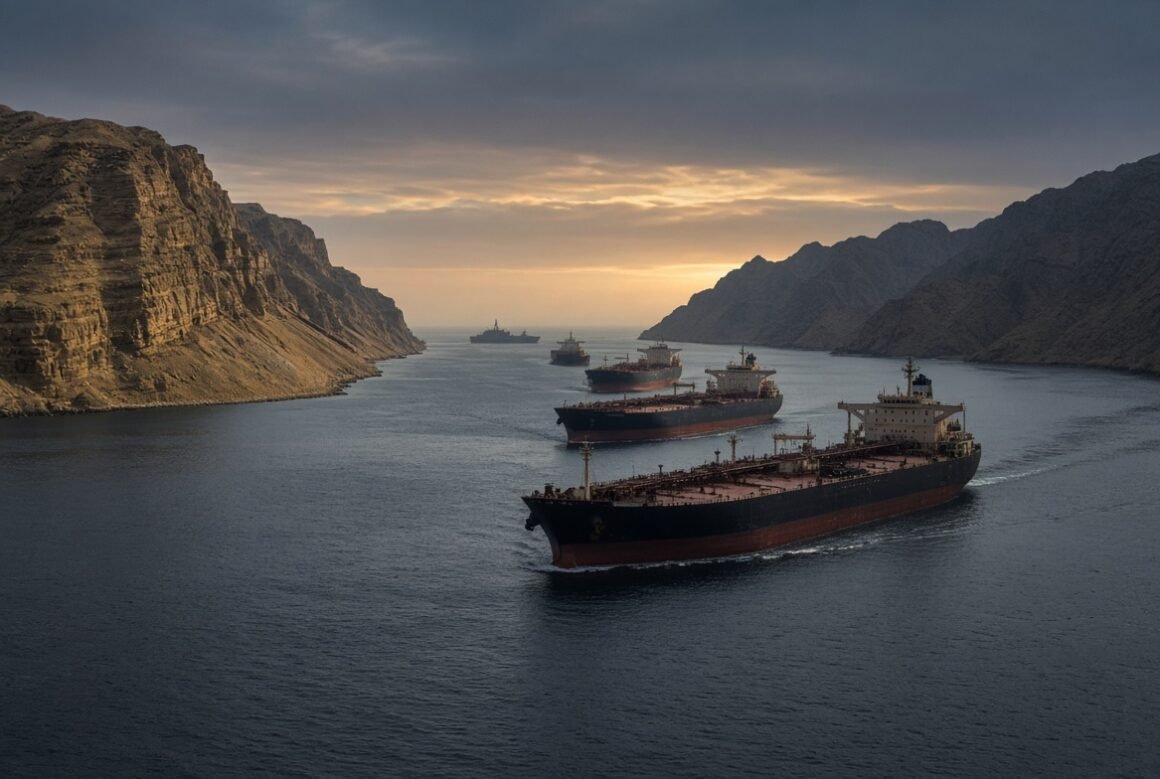
The Iran war is not a metaphor. It has been running for months. Ships have been hit. Mines have been laid and swept. Traffic through the Strait of Hormuz — the choke point that normally carries a huge share of the world’s seaborne oil — collapsed, recovered some, and collapsed again. A mid-June memorandum of understanding tried to freeze part of the fight and reopen the waterway. The freeze did not hold.
That is the story under the story. Washington can announce that internationally recognized lanes are clear of mines. Independent maritime reports can still warn about drifting devices and active danger areas. The U.S. Navy can escort tankers along the Omani side of the strait while Iran still takes shots at commercial hulls. Oman can fly to Tehran to talk about who “manages” the passage. All of those things can be true in the same week. That is why search traffic for Hormuz keeps spiking. People are not Googling a map for fun. They are trying to find out whether diesel, jet fuel, and the next grocery bill are about to move again.
Treasury Secretary Scott Bessent tightening secondary sanctions — including pressure on UAE banking channels used to move Iranian money — is the financial half of the same war. Secondary sanctions are a simple threat with a complicated blast radius. Washington tells a third country: if you bank this target, you may lose access to the dollar system. That tool can isolate a hostile regime. It can also shove trade into cash, gold, barter, and dark fleets. It can punish neutrals. It can teach every finance ministry on earth that the dollar is not just a currency but a switch the United States will flip. Sometimes that is the point. Sometimes it is an own-goal that shows up later as higher costs for American consumers and fewer friends when the next crisis arrives.
Munitions are the part that should keep serious people up at night. High-end interceptors, precision strike weapons, and naval stores are not restocked like milk. Production lines are slow. Inventories were already strained before this campaign. If the Iran war is burning through magazines that were meant to deter China or backstop Europe, the next crisis starts from a worse shelf. A country that talks like a superpower and inventories like a tired warehouse is not projecting strength. It is bluffing with other people’s lives. Readiness is not a vibe. It is a count of what is left in the bunker after this week’s launches.
Then came the video. Iranian state television aired a segment that asked, in substance, where and how to kill Barron Trump and talked about a $10 million bounty. The Secret Service said it is aware of the broadcast and investigates threats against protectees. An Iranian official later called plot reports a lie. You do not need to authenticate every frame of a propaganda clip to see what changed. The war has moved from facilities and ships to a 20-year-old who did not vote on the targeting package. Targeting a president’s child is barbaric. It is also what long wars do. They personalize. They radicalize. They make the next round harder to stop because every family now has a face attached to the casualty list.
A republic can defend sea lanes. A republic can sanction a regime that funds proxies and mines commercial water. Those are legitimate uses of state power. A republic should not pretend a months-long shooting war is free. It should not pretend a renamed lake in New York will offset a closed or half-closed strait. It should not confuse “Iran feels pain” with an end state.
The only question that matters is the one almost nobody in official Washington will answer in a single clean sentence. What does done look like? Open strait at real pre-war volume. No bounty theater. No permanent secondary-sanctions spiral that also hits American households. A force posture that leaves enough munitions for the next fight. If that sentence cannot be said without a paragraph of caveats, the war is running the government instead of the other way around.
Wars accumulate. They accumulate enemies, they accumulate inventory holes, they accumulate reasons not to stop. The adult position is not “never use force” and it is not “never ask the price.” It is to demand the price in public before the next escalation is sold as inevitable.

Big John
I have an Associates & Bachelors Degree in Criminology with a minor in Political Science. I've been blogging since around 2017, my work has been viewed by 800,000 people, and I am a registered Libertarian. My work has been talked about on many of the largest news outlets in the world from Reuters, USA Today, Politifact, CheckYourFact.com, The Quint and many other outlets.


You May Also Like

Lindsay Graham Backs Trump then Buries AOC & Friends
10 Times Barack Obama Said Fuck The Constitution