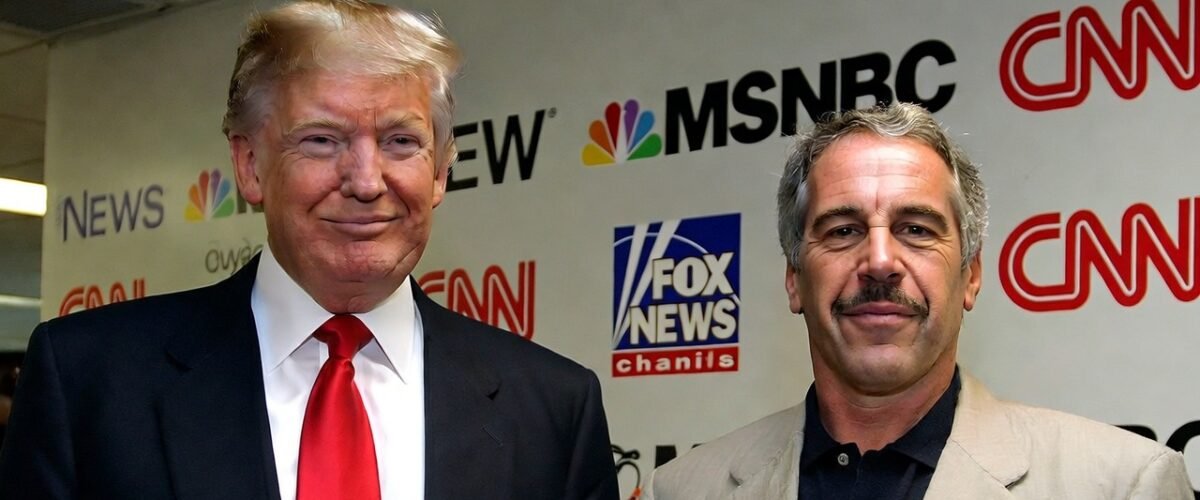
In the swirling vortex of political discourse, few topics ignite as much controversy as the relationship between former President Donald Trump and the late Jeffrey Epstein, the convicted sex offender whose web of elite connections has fueled endless speculation. Since Epstein’s arrest in 2019 and his subsequent death, media outlets, politicians, and online commentators have repeatedly scrutinized Trump’s association with him.
However, a closer examination reveals a pattern of misrepresentations, exaggerations, and outright falsehoods propagated by various media sources. These claims often resurface during politically charged moments, such as elections or scandals, but fact-checks consistently show no credible evidence linking Trump to Epstein’s criminal activities involving minors.
This article examines 15 prominent instances where media narratives about Trump’s Epstein involvement have veered into misinformation territory. Drawing from fact-checks by outlets like FactCheck.org, Reuters, The Washington Post, and others, we’ll highlight how these stories were amplified, why they gained traction, and the broader issue of media accountability—or the lack thereof.
It’s important to note that while Trump and Epstein were acquaintances in the 1990s and early 2000s, Trump has denied any wrongdoing, and investigations have not implicated him in Epstein’s sex trafficking ring.
The goal here is truth-seeking: separating fact from fiction in a non-partisan manner.
1. The Myth of Trump Visiting Epstein’s Island
Media and social media users have repeatedly claimed Trump visited Epstein’s private island, Little St. James, where much of the abuse allegedly occurred. Fact-checks from Reuters and FactCheck.org confirm Trump is not on any flight logs to the island, unlike others such as Bill Clinton. This false narrative persists through viral posts, often ignoring Trump’s public fallout with Epstein in 2004.
2. Recirculating the Dismissed 2016 Lawsuit as “New Evidence”
In 2016, a woman using the pseudonym “Katie Johnson” filed a lawsuit alleging Trump assaulted her at an Epstein party in 1994. The case was dropped, and the accuser later admitted to fabricating details for financial gain. Yet, outlets like Business Insider and social media revived it in 2025 as “bombshell” news tied to recent Epstein file releases, without noting its debunked status.
3. AI-Generated and Fake Photos of Trump with Epstein
Victims viral images purporting to show Trump with underage girls at Epstein events have been debunked as AI-generated or manipulated. Reuters and Snopes identified editing artifacts and implausible details, but these spread rapidly on platforms like X, amplified by partisan accounts accusing Trump of pedophilia.
4. Misinterpreting Blurred Photos as Evidence of Minors
In 2025 Epstein file releases, Democrats redacted faces in photos from old parties, leading MSNBC and others to speculate these were minors or victims. Fact-checks revealed the women were adults, and the redactions were misleading, creating suspicion without basis.
5. The “Trump Knew About the Girls” Email Hoax
Emails released by House Democrats in November 2025 claimed Epstein said Trump “knew about the girls.” The White House called it a selective leak, and fact-checks from Politico and CNN noted the “unnamed victim” was Virginia Giuffre, who explicitly said Trump was not involved in wrongdoing.
6. Exaggerating Trump’s Flight Log Appearances
Trump flew on Epstein’s jet eight times in the 1990s, per a prosecutor’s email, but media like Al Jazeera implied this tied him to crimes. Fact-checks clarify these were not to the island, involved no allegations of misconduct, and predate Epstein’s convictions.
7. Ignoring Trump’s Ban of Epstein from Mar-a-Lago
Trump banned Epstein from his Palm Beach club in 2007 after Epstein allegedly harassed a teenage employee. This fact, confirmed by PBS News and others, is often omitted in media narratives portraying their friendship as ongoing and complicit.
8. The Fake “Birthday Letter” and Drawing
A sexually suggestive 2003 note and drawing allegedly from Trump to Epstein was reported by The Wall Street Journal. Trump denied it, and The New York Times fact-checked similar claims as false, noting inconsistencies in handwriting and style.
9. Claiming Trump Was an FBI Informant (or the Opposite)
House Speaker Mike Johnson suggested Trump acted as an FBI informant against Epstein, which his office later walked back. Media like The Guardian amplified the confusion without clarifying it stemmed from unverified victim attorney statements.
10. The “Topless Young Women” Photo Allegation
Author Michael Wolff claimed Epstein showed him photos of Trump with topless women. Senate hearings and fact-checks from MSNBC noted no FBI confirmation of such images, and Wolff’s claims remain unverified.
11. Misrepresenting Trump’s “Terrific Guy” Quote
A 2002 quote where Trump called Epstein a “terrific guy” who liked younger women is often cited as evidence of knowledge. Context from Wikipedia and fact-checks shows this predated public awareness of Epstein’s crimes, and Trump distanced himself afterward.
12. Selective Focus on Trump While Downplaying Others
Media coverage, as noted by The Guardian, often highlights Trump while conservative outlets ignore it, but left-leaning sources downplay Clinton’s 26+ flights. This imbalance, per NPR, fuels conspiracy theories without balanced reporting.
13. The “Epstein Files Don’t Exist” Flip-Flop
Trump called the files a “hoax” made up by Democrats, but later urged their release. Media like USA Today fact-checked this as misleading, yet amplified the narrative without noting the DOJ’s confirmation of real files totaling over 5.2 million.
14. Unverified Tapes and Books as “Proof”
Tapes from Michael Wolff, released via House documents, claim Epstein said Trump liked to “f—” friends’ wives. Fact-checks from The Daily Beast note these are Epstein’s unproven boasts, not evidence, yet were treated as revelations.
15. Claiming Recent Releases Implicate Trump in Crimes
Multiple outlets, including CNN, reported 2025 file dumps mentioning Trump hundreds of times, implying guilt. Fact-checks from NBC News and The Washington Post clarify these are non-incriminating references, like old photos or unverified tips, with no new wrongdoing alleged.
How the Media Makes the Public Believe These Narratives
Media misrepresentations thrive through a combination of selective reporting, echo chambers, and sensationalism. Outlets often rely on anonymous sources or partial leaks from partisan actors, as seen in House Democrats’ releases accused of being “doctored” by Republicans.aaeca8 Repetition across platforms— from cable news to social media—creates a “truthiness” effect, where familiarity breeds belief.
For instance, blurred photos were speculated upon by MSNBC without verification, leading viewers to assume hidden scandals.b3d23e Social media algorithms amplify viral falsehoods, like AI images, reaching millions before corrections surface. Partisan bias plays a role too: left-leaning media emphasizes Trump to deflect from Democratic figures, while right-wing outlets downplay the story altogether.
Facing Zero Consequences: The Accountability Gap
Why do these misrepresentations persist without repercussions? Media outlets rarely face lawsuits or retractions for Epstein-related stories, as defamation thresholds are high for public figures like Trump. Even when fact-checkers debunk claims, corrections are buried, and the initial narrative lingers— a phenomenon called the “continued influence effect.” Regulatory bodies like the FCC offer little oversight for cable or online media, and internal fact-checking varies. In polarized times, audiences reward sensationalism over accuracy, sustaining ad revenue.
As USA Today noted, polls show Trump’s base often dismisses Epstein coverage as a “hoax,” while opponents seize on it, perpetuating the cycle without broader accountability.cb59baIn conclusion, while Trump’s Epstein ties warrant scrutiny, the media’s handling has often prioritized narrative over nuance, eroding public trust. True accountability demands rigorous fact-checking and balanced reporting. As more files emerge—potentially under Trump’s push for transparency—let’s prioritize evidence over echo chambers to uncover the real story.