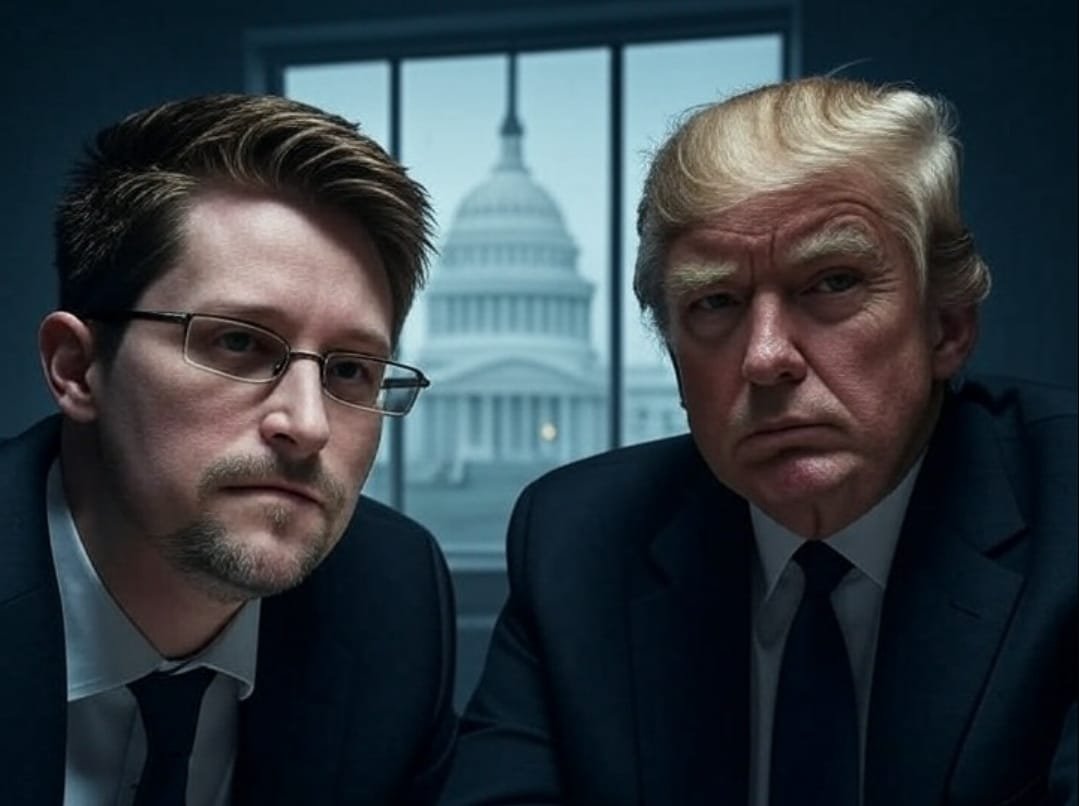
Predicting whether Donald Trump will pardon Edward Snowden is speculative, as it depends on multiple unpredictable factors, including political dynamics, personal motivations, and legal considerations. However, I can assess the likelihood based on available information up to May 28, 2025, drawing from past statements, actions, and current sentiment.
Factors Supporting a Pardon
Trump’s Past Consideration
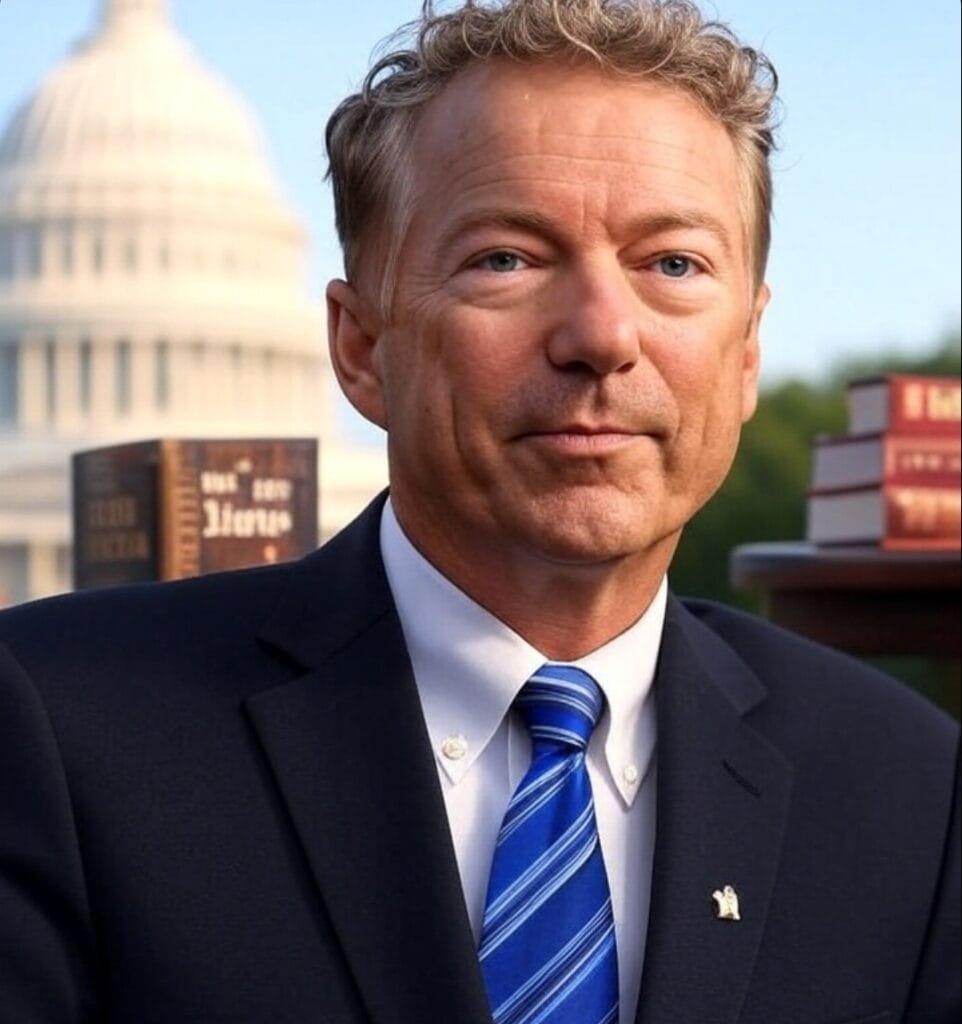
Trump has previously expressed openness to pardoning Snowden. In August 2020, he said he would “take a very good look” at a potential pardon, noting a “split decision” among those who view Snowden as a traitor versus those who believe he should be treated differently. This marked a shift from his earlier 2013 stance, where he called Snowden a “traitor” and a “spy who should be executed.”
In 2021, Trump indicated he was “very close” to pardoning Snowden but ultimately decided to “let the courts work it out.” This history suggests Trump has been receptive to the idea at times.
Support from Key Allies
Several figures in Trump’s inner circle and his second-term administration have publicly advocated for a Snowden pardon. These include:
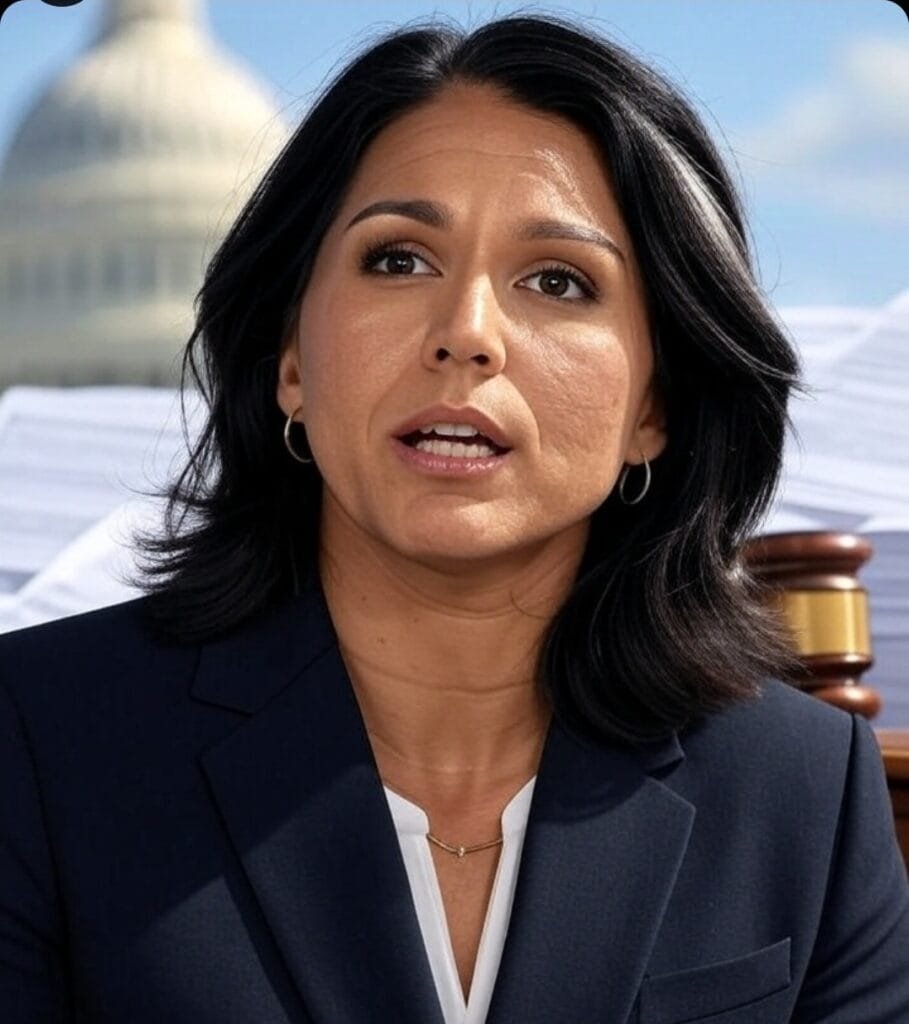
Tulsi Gabbard, Trump’s nominee for Director of National Intelligence, who co-sponsored a 2020 House resolution to drop charges against Snowden.
Robert F. Kennedy Jr., Trump’s Health and Human Services secretary pick, who campaigned on pardoning Snowden on his first day as president.
Matt Gaetz, a former Trump nominee for attorney general, who has consistently pushed for a Snowden pardon, stating in 2024 that there was “broad support” within Trump’s transition team.Donald Trump Jr., who has advocated for clemency for Snowden and other whistleblowers, indicating a shift in sentiment within Trump’s family.
These endorsements from influential figures could sway Trump, who has historically valued loyalty and input from close allies.
Anti-Establishment Narrative
Trump’s rhetoric often frames him as an opponent of the “deep state.” Snowden’s leaks exposed NSA surveillance programs, which some argue align with Trump’s criticisms of government overreach. A pardon could be framed as a symbolic act against the intelligence community, appealing to Trump’s base and his narrative of challenging entrenched power structures.
Public and Political Support
There is bipartisan support for Snowden among some libertarian-leaning Republicans (e.g., Rand Paul, Matt Gaetz) and progressive figures (e.g., the ACLU, Bernie Sanders). A 2020 federal court ruling that the NSA’s mass surveillance program, exposed by Snowden, was illegal may bolster the case for a pardon by validating his actions as whistleblowing rather than treason.
Factors Against a Pardon
Opposition from National Security Hawks
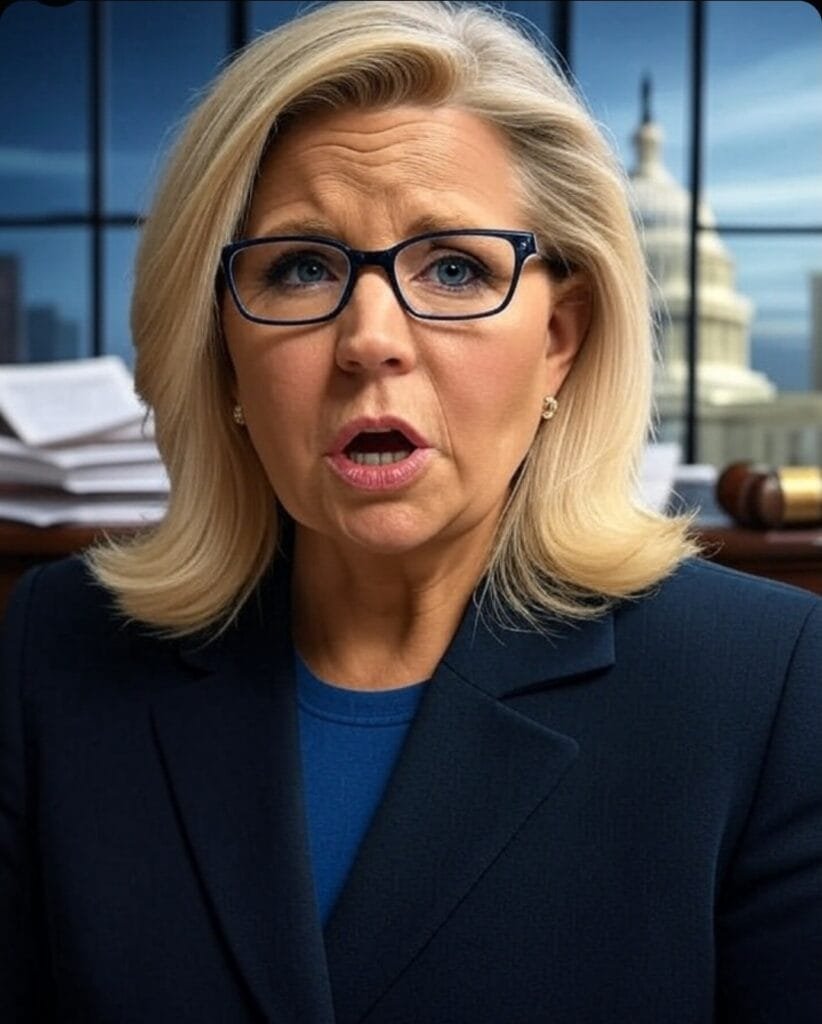
Prominent Republicans, such as Liz Cheney, have called Snowden a “traitor” responsible for “the largest and most damaging release of classified info in U.S. history,” arguing a pardon would be “unconscionable.”
To no surprise war hawk Senator Lindsey Graham has also opposed a pardon, questioning Snowden’s motives and alleging he has “American blood on his hands” (though Snowden countered that no deaths have been directly linked to his leaks).
These voices represent a significant faction within the Republican Party that could pressure Trump against a pardon.
Legal and Security Concerns
The U.S. Justice Department charged Snowden with espionage and theft of government property in 2013, citing national security risks. A 2013 congressional report estimated Snowden downloaded over one million documents, many unrelated to domestic surveillance, potentially aiding adversaries like Russia and China. The intelligence community continues to assess the damage, and some argue a pardon would undermine accountability for handling classified information.
Trump’s Inconsistent Follow-Through
Despite considering a pardon in 2020 and 2021, Trump did not act, even when urged by allies like Rand Paul and Roger Stone.
His decision to “let the courts work it out” suggests hesitation, possibly due to political risks or opposition from advisors like then-Attorney General William Barr, who was “vehemently opposed” to a pardon.
However, rumors were circulating that Mitch McConnell was leveraging his influence over Donald Trump’s impeachment proceedings, potentially impacting the outcome of his conviction, in exchange for a pardon for Snowden.
Snowden’s Russian Ties
Snowden’s residence in Russia since 2013, where he was granted asylum and citizenship in 2022, complicates the optics of a pardon. Critics argue his presence in Moscow and potential interactions with Russian authorities make him a liability, especially given Trump’s sensitivity to accusations of Russian ties.
Current Sentiment and Context
Recent Developments: Posts on social media and media reports from late 2024 to early 2025 indicate renewed speculation about a Snowden pardon, fueled by Trump’s second-term appointments and his administration’s focus on challenging the establishment.
Snowden’s Stance
Snowden has stated he will not return to the U.S. without a guaranteed fair trial, which the government has refused to provide by denying a public interest defense. This could complicate negotiations for his return, even with a pardon.
Political Climate
Trump’s second term, beginning January 2025, gives him significant executive power to issue pardons without the immediate political consequences he faced in 2020 (e.g., threats of Senate conviction post-January 6).
However, he may prioritize other pardons or policy goals to avoid alienating national security-focused Republicans.
Likelihood Assessment
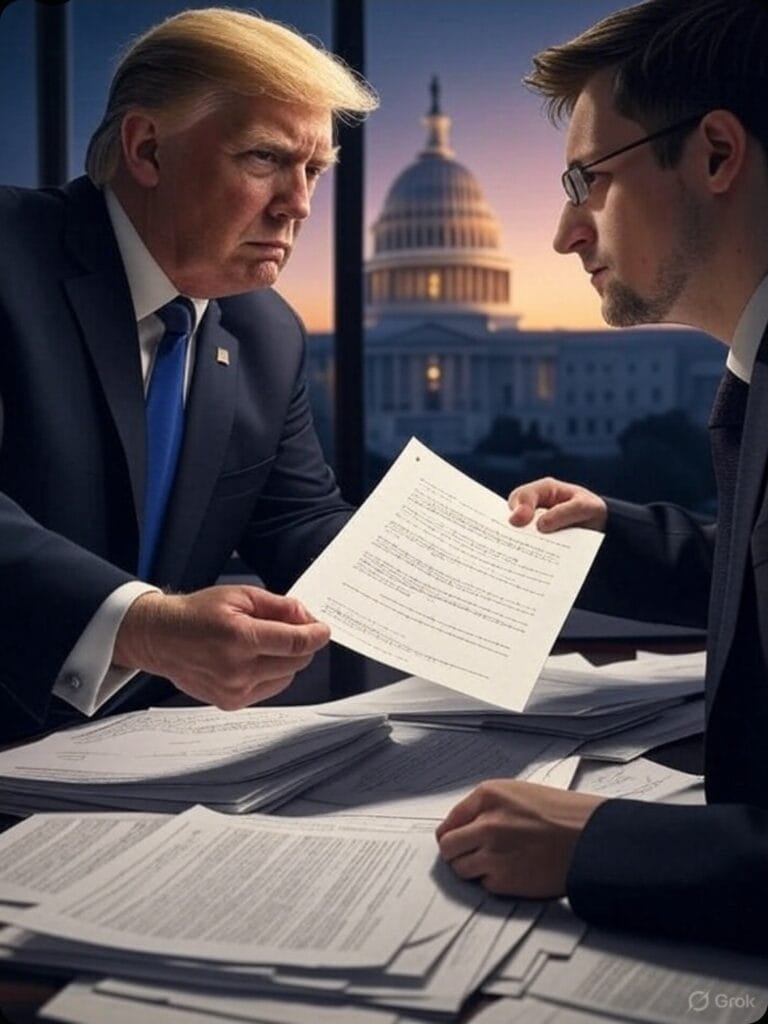
Given the evidence, I estimate a moderate likelihood (40-60%) that Trump will pardon Snowden during his second term (2025-2029).
Pro-Pardon Factors: Strong support from key allies, alignment with Trump’s anti-establishment stance, and past openness to the idea.
Countervailing Factors
Substantial opposition from national security experts, concerns regarding Snowden’s Russian connections, and Trump’s history of inconsistency despite expressed interest.
The likelihood may increase if Trump prioritizes symbolic gestures against the intelligence community. Influential advocates like Gabbard, Kennedy, or Gaetz may exert significant influence early in his term. Public sentiment shifts further in Snowden’s favor, bolstered by legal validations of his whistleblowing.
Conversely, the likelihood may decrease if opposition from Republican hawks or the intelligence community intensifies. Trump may perceive a pardon as politically costly or a distraction from other priorities. Concerns about Snowden’s Russian connections dominate the narrative.
Final Analysis
While Trump’s circle includes notable proponents of a Snowden pardon, opposition from national security advocates and the intricacies of Snowden’s case create substantial obstacles.
Without novel, concrete developments (e.g., a public commitment from Trump or a shift in GOP sentiment), the likelihood remains uncertain but plausible. For the latest information, tracking statements from Trump’s administration or credible news sources is suggested.