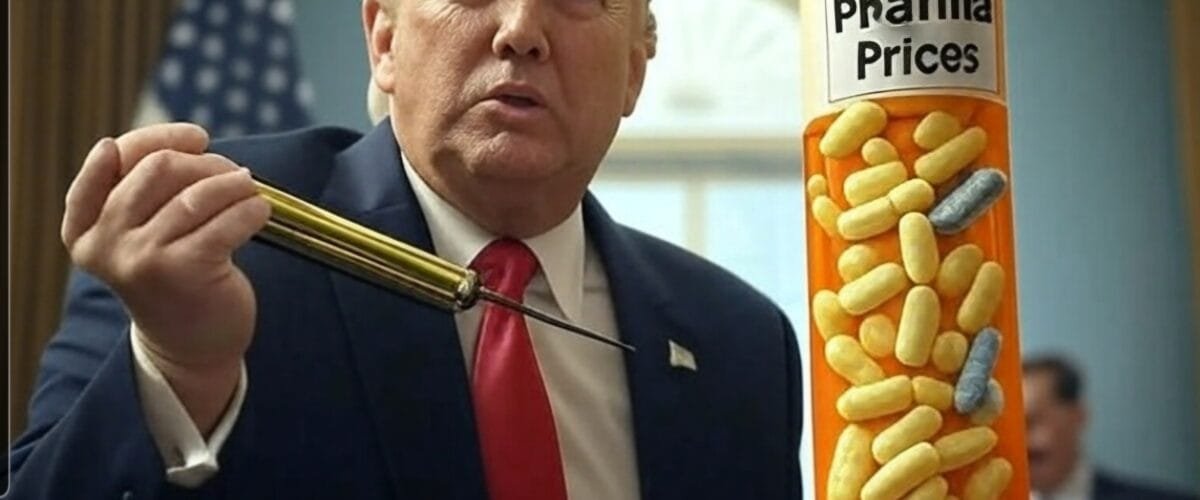
On May 12, 2025, President Donald Trump signed an executive order aimed at lowering prescription drug prices by implementing a “most favored nation” (MFN) pricing model, which seeks to align U.S. drug prices with the lower prices paid by other developed countries.
The order directs the Department of Health and Human Services (HHS) to set price targets within 30 days and requires drugmakers to offer U.S. consumers prices comparable to the lowest prices in peer nations, or face potential consequences like regulatory actions, increased drug importation, or enforcement against anti-competitive practices.
Trump claimed this could reduce drug prices by 30% to 80%, or even up to 90%, almost immediately.
However, the actual impact of this executive order is uncertain and faces significant challenges:
- Implementation Difficulties: The order lacks clear legal authority to mandate price reductions, especially in the private market, and relies on voluntary compliance from drugmakers or future rulemaking. A similar MFN policy from Trump’s first term in 2020 was blocked by federal courts for procedural reasons and later rescinded by the Biden administration, suggesting potential legal hurdles. Analysts and legal experts describe the order as difficult to implement and possibly more rhetorical than actionable.
- Industry Resistance: The pharmaceutical industry, represented by groups like PhRMA, opposes the MFN policy, arguing it could reduce profits, stifle innovation, and disrupt the healthcare market. Drugmakers may challenge the order in court or negotiate deals with foreign governments to maintain higher U.S. prices, undermining the policy’s effectiveness.
- Scope and Timeline: Unlike the 2020 policy, which was limited to certain Medicare drugs, this order expands to Medicaid and private insurance, potentially affecting a broader range of medications, including weight-loss drugs. However, the lack of specifics on which drugs or programs are targeted, combined with a 30-day timeline for price targets and a six-month period for “significant progress,” means immediate price reductions are unlikely. Experts like Arthur Caplan have called claims of immediate 30–80% cuts unrealistic, noting that U.S. prices won’t match those in poorer nations with humanitarian discounts.
- Potential Trade-Offs: The order could disrupt pharmaceutical rebates and discounts that fund Medicaid programs and lower insurance premiums, potentially increasing costs elsewhere in the healthcare system. Critics also warn that reduced profits might limit research and development, though White House officials argue drugmakers will remain profitable.
- Mixed Signals from Prior Actions: Earlier in 2025, Trump reversed Biden-era policies aimed at lowering drug costs, such as a proposed $2,000 monthly out-of-pocket cap on generics and other cost-saving measures for Medicare and Medicaid. These reversals, which some X posts claim increased drug prices, contrast with the current order’s stated goals, raising questions about consistency.
Public and Political Sentiment: Posts on X reflect polarized views. Supporters, like @Ravious101, praise the order as a bold move against Big Pharma, while critics, like @TristanSnell and @Fritschner, argue it overstates its impact or follows actions that raised costs. These posts highlight public skepticism but aren’t conclusive evidence.
In summary, while Trump’s executive order intends to lower prescription drug prices by tying them to international prices, its immediate impact is doubtful due to legal, logistical, and industry challenges. Price reductions of the magnitude claimed (30–90%) are unlikely in the short term, and the policy’s success depends on overcoming court challenges, industry pushback, and implementation hurdles.
For now, the order signals intent but doesn’t guarantee lower costs for Americans. For further details, check the White House fact sheet or Reuters coverage.
[…] is a detailed breakdown of its key provisions, benefits to the American people, potential drawbacks, and realistic outcomes based on available […]