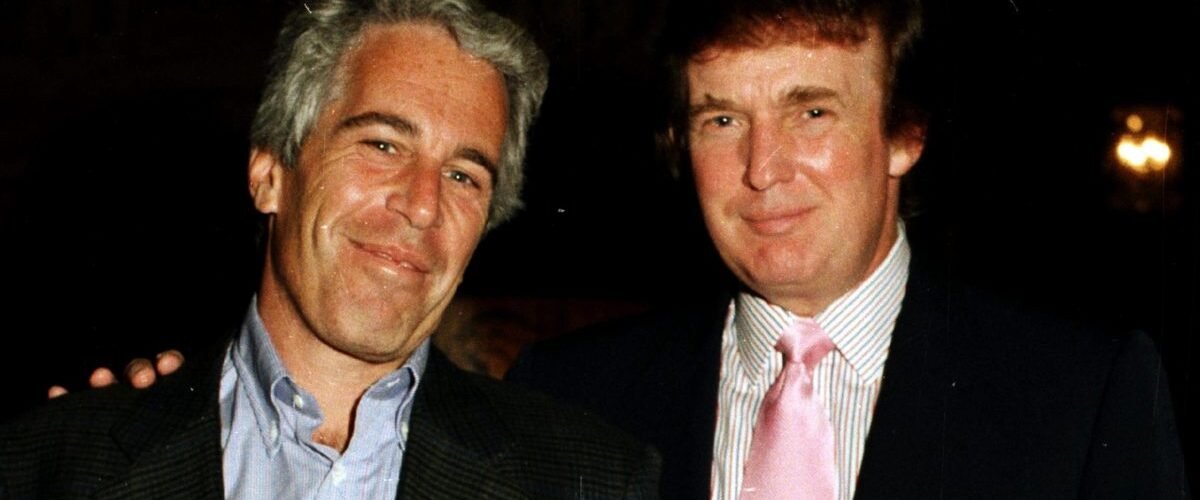
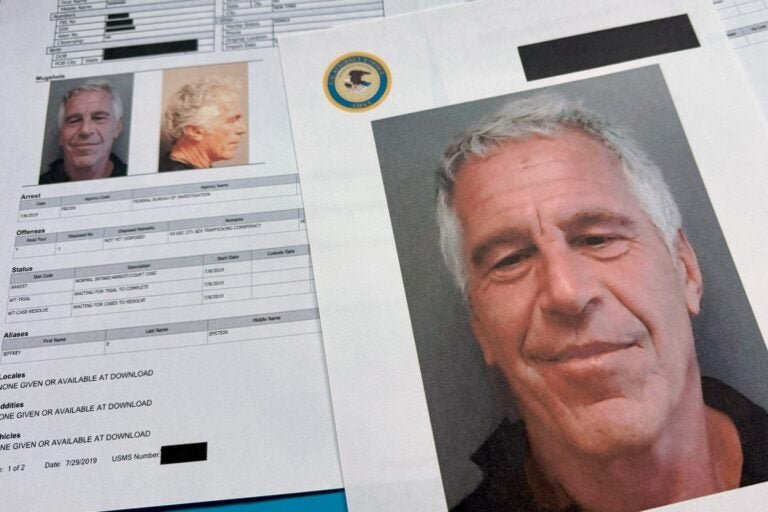
The latest major release of Jeffrey Epstein-related files occurred on January 30, 2026, when the U.S. Department of Justice (DOJ) publicly posted more than 3 million pages of documents, over 2,000 videos, and 180,000 images.
This tranche represents the largest single disclosure tied to federal investigations into the convicted sex offender Jeffrey Epstein (who died in 2019) and his associate Ghislaine Maxwell (convicted in 2021 of sex trafficking).
It follows the Epstein Files Transparency Act, passed by Congress and signed into law by President Donald Trump, which mandated broad release of investigative records.
The DOJ, under Deputy Attorney General Todd Blanche (Trump’s former personal attorney), described this as the final major compliance batch after missing an earlier deadline (around December 2025), amid criticism over delays and redactions.
The files primarily consist of FBI investigative materials, victim interviews, tips submitted by the public (many anonymous or secondhand), emails recovered from Epstein’s devices or associates, prison records, photos, videos from social gatherings or properties, news clippings, and related records from the 2000s–2010s investigations.
Many documents are heavily redacted to protect victims and third parties; the DOJ has noted that the release includes potentially fake, falsely submitted, or untrue materials (especially sensational tips sent to the FBI). No comprehensive “client list” of abusers was identified or released, consistent with prior DOJ statements.
Much of the content corroborates or expands on previously known associations from earlier unsealing (e.g., the 2024 Giuffre v. Maxwell court documents) and partial 2025 releases, including contact books, flight logs, and photos with elites.
New elements include more FBI tip summaries, draft indictments referencing unnamed co-conspirators (enticing minors for prostitution), and specific email chains. Victim accounts detail exploitation patterns, but corroborated new evidence of additional high-profile perpetrators remains limited.
Mentions of Donald Trump
Trump’s name appears hundreds or thousands of times—often in innocuous contexts such as news clippings, older flight logs (primarily 1993–1996 or earlier), social references, and investigative summaries.
Trump has long acknowledged a social acquaintance with Epstein in the 1980s–early 2000s (including Palm Beach circles), once calling him a “terrific guy” in a 2002 interview, but stated the relationship soured around 2004–2007.
He banned Epstein from Mar-a-Lago after an alleged incident involving an underage girl and has denied any knowledge of or involvement in Epstein’s sex crimes.
Specific references include:
- An FBI-compiled list (August 2025) and various tips alleging sexual misconduct by Trump (e.g., claims of oral sex with a 13–14-year-old decades ago, recruiting girls, or participation in orgies involving Epstein/Clinton).
- These are largely anonymous, secondhand, uncorroborated, or deemed low-credibility by agents; some were flagged as pre-2020 election submissions.
- Discussions between Epstein and Maxwell referencing Mar-a-Lago recruitment (aligning with Virginia Giuffre’s known account of being approached there around 2000; Giuffre stated she did not witness Trump in sexual acts).
- A 2016 Epstein email seeking advice on Trump responding to an unsubstantiated claim of underage sex at Epstein’s house.
- A note in Epstein’s birthday book allegedly signed by Trump (with a drawing; Trump denies authorship).
- A 2002-era email thread involving Melania Trump and Maxwell on travel.
The DOJ and White House have emphasized that many claims against Trump are “untrue and sensationalist,” unfounded, false, and not pursued credibly by law enforcement.
Epstein himself never accused Trump of criminal misconduct in available records. No evidence in the files indicates Trump participated in or knew of the sex trafficking/abuse.
Other Celebrities and Prominent Figures
The files reinforce Epstein’s broad social and professional network among elites but add limited new corroborated criminal evidence beyond known cases. Mentions often involve photos from events, contact book entries, emails about meetings/travel, or unverified tips.
Notable examples:
Bill Clinton: Frequent mentions, photos (including with Epstein/Maxwell), and allegations (denied by Clinton). One deposition reference has Epstein invoking the Fifth Amendment when asked about Clinton. No new direct evidence of wrongdoing.
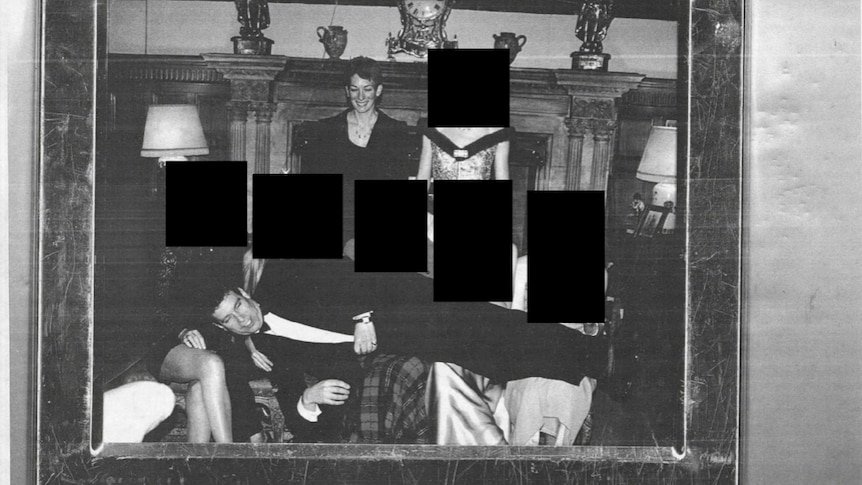
Prince Andrew (Duke of York): Emails with “The Duke” (signed “A,” “HRH”) discussing private dinners at Buckingham Palace and introductions (e.g., to a Russian woman, post-2008 conviction). Photos appear to show him on all fours over a female (context unclear but highlighted as potentially compromising). Andrew has denied sexual misconduct (settled a civil suit with Giuffre).
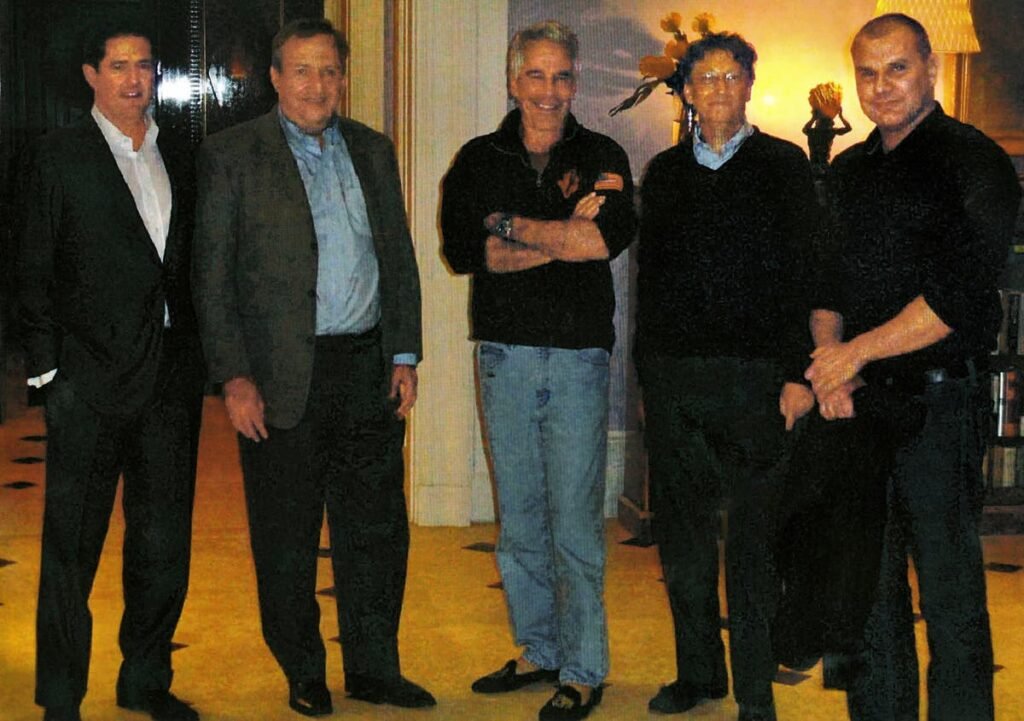
Bill Gates: Draft/unsent 2013 emails from Epstein’s account alleging extramarital affairs and STD treatment involving young women/Russian girls (Gates’ spokesperson called them “absolutely absurd,” from a “disgruntled liar”). Gates previously acknowledged regretting meetings with Epstein for philanthropy discussions.
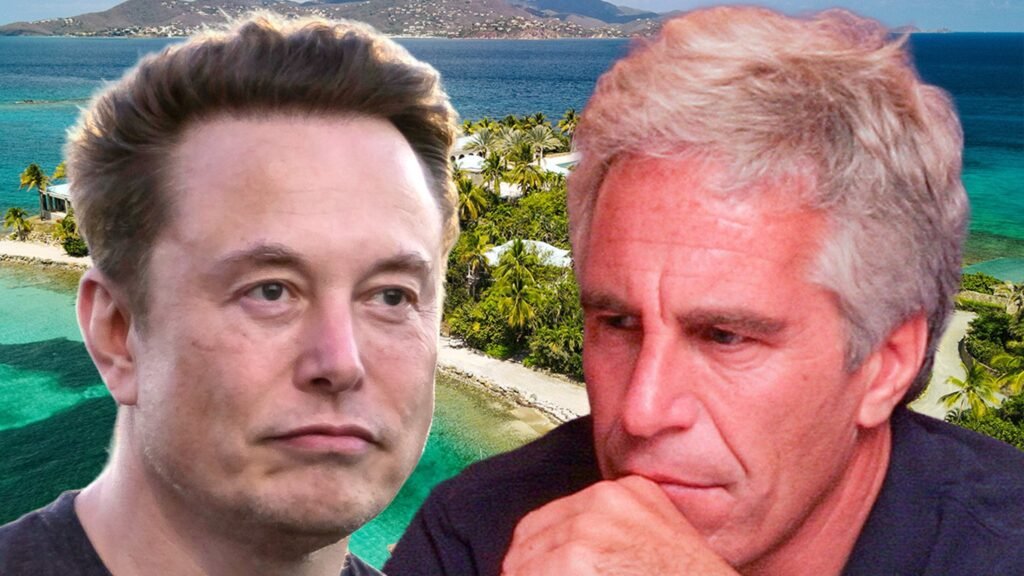
Elon Musk: 2012–2013 emails coordinating potential island trips, asking about “wildest party” logistics and St. Barts events (with then-wife Talulah Riley). No confirmed visit; Musk has said he rebuffed invitations.
Howard Lutnick (noted in reports, Commerce Secretary context): Emails planning an island trip (contradicting earlier cutoff claims) and a 2015 fundraiser invitation.
Sarah Ferguson (Duchess of York): Friendly post-conviction emails calling Epstein a “legend” and discussing business ideas.Others (often from contact books, photos, or older mentions): Mick Jagger, Michael Jackson, Naomi Campbell, David Copperfield, Richard Branson, Steve Bannon (witness reluctance in a memo), Lord Peter Mandelson (financial help to associate, regretted friendship). These reflect associations (dinners, flights, events) but lack evidence of criminal involvement.
In summary, the 2026 release provides unprecedented volume of raw investigative material, illuminating Epstein’s access to power and wealth while surfacing unverified tips and associations. It confirms long-reported social ties but does not deliver major new corroborated evidence of widespread elite criminal participation beyond Maxwell’s conviction and settled civil matters (e.g., Prince Andrew).
Critics note redactions, victim privacy concerns, inclusion of low-credibility tips, and political sensitivities around the timing and personnel. Journalists and researchers continue sifting the vast dataset; readers should approach allegations cautiously without independent corroboration or charges. The full files are hosted on justice.gov/epstein (with caveats on content veracity).